


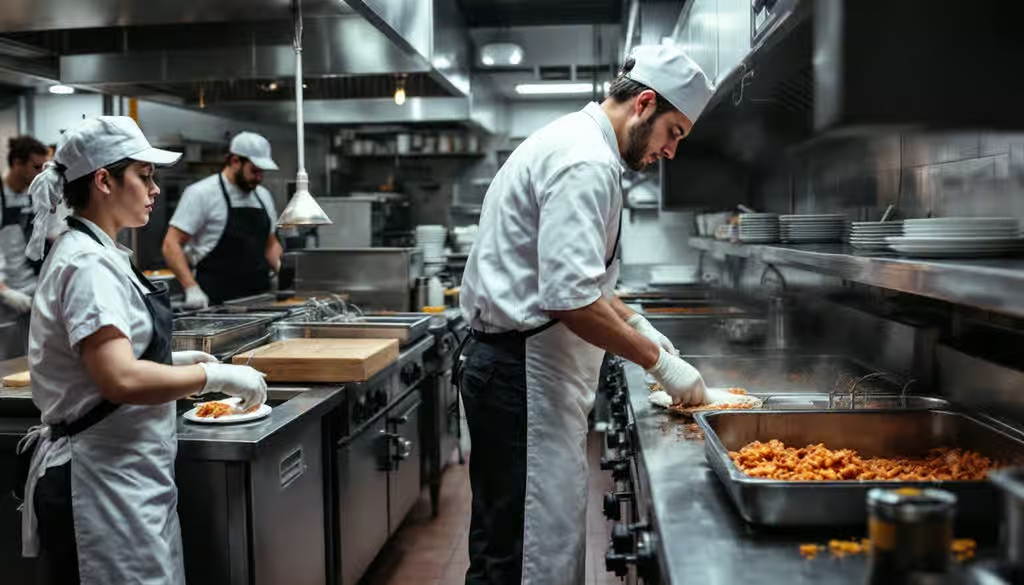


Maintaining food safety standards is a crucial aspect of any kitchen, whether it be in a home or a professional setting. The cornerstone of these standards is consistent and thorough cleaning practices. Proper kitchen hygiene not only ensures the health and well-being of those consuming the food but also helps in maintaining the reputation and efficiency of culinary establishments.
One fundamental tip for ensuring food safety through effective cleaning is to establish a regular cleaning schedule. This involves daily, weekly, and monthly tasks that cover all areas of the kitchen. Daily tasks should include wiping down countertops, sanitizing cutting boards, washing dishes promptly, and sweeping floors. Weekly routines might involve deep-cleaning appliances like ovens and refrigerators, while monthly efforts can focus on less visible areas such as behind large equipment or inside exhaust hoods.
The use of appropriate cleaning agents plays a significant role in maintaining hygiene standards. It’s essential to choose cleaners that are specifically designed for kitchens since they need to effectively eliminate bacteria without leaving harmful residues on surfaces where food is prepared. Natural options such as vinegar or baking soda can be useful for certain tasks but may need supplementation with stronger disinfectants for more germ-prone areas.
Cross-contamination remains one of the most prevalent risks in kitchens when it comes to food safety. To mitigate this risk, it’s vital to use separate cutting boards and utensils for different types of foods—such as raw meats versus vegetables—and ensure they are thoroughly cleaned after each use. Additionally, storing raw ingredients properly by keeping them sealed and at appropriate temperatures prevents bacterial growth that could lead to contamination.
Attention must also be given to personal hygiene within the kitchen environment. Handwashing before handling any type of food cannot be overstated; using warm water with soap for at least 20 seconds significantly reduces potential pathogens from transferring onto foods during preparation.
Regular inspection and maintenance of kitchen equipment ensure they function correctly without becoming breeding grounds for bacteria or mold due to neglect or malfunctioning parts. For instance, refrigerator seals should be checked frequently because if compromised, they can lead to improper cooling which encourages bacterial proliferation.
Furthermore, educating all individuals involved in meal preparation about these practices reinforces their importance and fosters an environment where everyone takes responsibility for upholding high cleanliness standards.
In conclusion, consistent application of meticulous Kitchen cleaning tips forms the backbone of robust food safety standards within kitchens everywhere. By implementing structured schedules alongside vigilant personal habits concerning sanitation practices like avoiding cross-contamination through proper equipment usage—kitchens will not only meet but exceed necessary health guidelines ensuring safe consumption experiences every time meals are prepared.